The safest, most effective therapies for optimal health!
by Ellen Landauer
Your Autonomic
Nervous System
Your autonomic nervous system governs involuntary processes in your body, the ones you don't have conscious, direct control over...unless you are one of the world's best chi masters!

Body processes that govern stress, anxiety and depression OR relaxation, happiness and emotional stability are intimately connected with and deeply influenced by the autonomic nervous system.
Heart rate, tension or relaxation of smooth muscles in the blood vessels, secretion of myriad biochemical cocktails from glands and other body tissues, neurotransmitter chemistry, firing of synapses and so on, are all governed by the autonomic nervous system.
Complete, long-term stress relief requires healthy lifestyle and restoring the balance of your electrolyte minerals (calcium / magnesium, salt / potassium). Medicardium is one of the fastest, most effective ways to do this.
Next, I describe for you the two polar opposite aspects of the autonomic nervous system.
This will help you understand and be more in command of your path to relieving stress.
Autonomic Nervous System
Sympathetic (Fight or Flight)
Sympathetic: 'fight-or-flight.' This is the part that gears us up for an emergency. We are in 'survival mode.'
This is a very old natural response to danger. Fear, stress and anxiety - and the physiological gearing-up that sets our heart to pounding and brings on a rush of adrenalin has a very important purpose...
...to save our life!
The problem is, our body doesn't know the difference between a tiger - and a traffic jam that makes us late for work...
Biochemically, we respond to a traffic jam or an angry boss the same way we responded in Paleolithic times when a saber-toothed tiger wanted to eat us!
Why is this a problem..?
Because in our modern lifestyle, there are SO many stressors...
And they NEVER go away!
If it's not the baby crying, the rat race, the fear-mongering news program, it's the lawn chemicals in your suburban neighborhood or mercury vapors from the so-called 'energy-saving' light bulbs.
In Paleolithic times, when the cave man was done fighting off the saber-toothed tiger, it was easy for him to let go of the stress and go home to make love to his cave-woman. We, on the other hand have a continual barrage of situations that can keep us in stressful, sympathetic 'fight-or-flight' mode.
Consequences of Constant Triggering of the 'Fight-or-Flight Response
When our ANS (autonomic nervous system) is more 'sympathetically tuned,' body processes not essential to our survival shut down.
When we are fighting for our life, we don't need to digest food, enjoy sexual pleasure, sleep or make new cells to repair body tissues. All the body's energy goes to gearing up for a fight.
Our heart rate increases. Adrenalin and corticosteroids flood our body and blood circulation goes to the voluntary musculature to support athletic strength.
Blood fibrin increases so the blood will clot faster in case we are injured. AND the blood vessels constrict, raising blood pressure. This is fine for a temporary emergency, but NOT good as a chronic, ongoing state of affairs that results from the kind of chronic, unrelenting stress so many people are under!
Stress keeps the blood on the verge of clotting for survival purposes.
Chronic daily stress threatens our survival because that same survival mechanism becomes a time bomb!
Embolisms - blood clots that obstruct circulation and can be life-threatening, are a common problem these days partly because so much time spent stressed keeps our blood on the verge of clotting. (Poor diet and inactivity are other causes).
Do you know that...
Corticosteroids, while invaluable for increasing strength in emergencies, damage any and all body tissues when stress is ongoing? This is why athletes who use corticosteroid drugs commonly suffer health problems after long term use!
Sympathetic mode is NOT conducive to healing, organ repair, relaxation, sexual potency, food absorption or deep sleep.
AND...
Most of us are sympathetically tuned FAR too frequently to achieve optimal health!
One of the goals of meditation is to balance the autonomic nervous system.
If you are too stressed to fully enjoy life, you can help yourself by learning how to tune and re-set your autonomic nervous system.
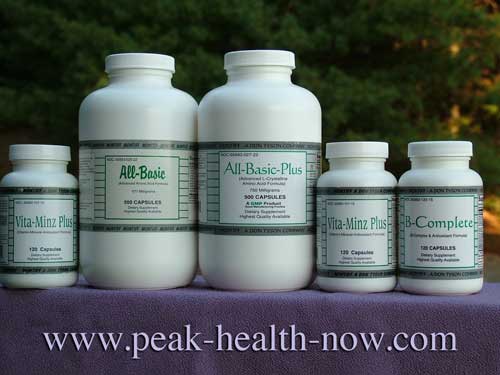
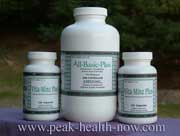
PHOTO ABOVE: Did you know that Amino Acids are the precursors to neurotransmitters that govern autonomic nervous system?
And that that Amino Acids need Vitamins (particularly B Vitamins) and Minerals to facilitate absorption?
Take a look at our FABULOUS Montiff Amino Acids / Vitamin/Mineral packages.
Autonomic Nervous System
Parasympathetic Mode
Parasympathetic: This is where you feel happy, secure, confident and relaxed. Also known as the 'rest-and-digest' part of the Autonomic Nervous System.
When we feel safe, secure and relaxed, the parasympathetic part of the ANS is more dominant. In parasympathetic mode, we feel happier, that life is wonderful and meaningful and all is right.
It is ideal for health and healing for you to be a little more parasympathetically tuned.
When we are a little more parasympathetically dominant, our heart rate slows, blood vessels relax to allow better circulation throughout the body, glandular activity and intestinal peristalsis increase.
By the way, you may not know this, but it is the RELAXATION of the blood vessels that supports erectile potency in men and orgasmic response in women, allowing optimal circulation to the genital region!
There are a small percentage of people who are TOO much in parasympathetic mode. But for the vast majority of us, it is healthy to support the 'rest-and-digest' part of our autonomic nervous system at every opportunity.
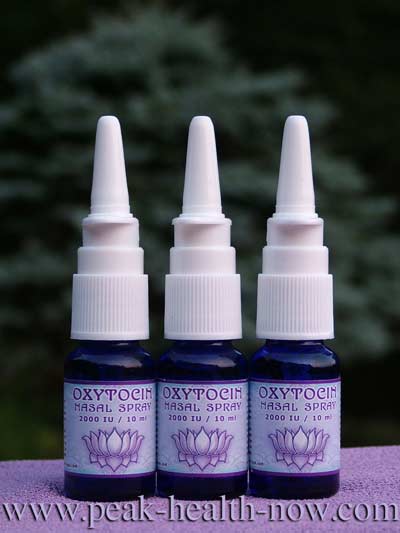
PHOTO ABOVE: Oxytocin Nasal Spray - the BENEFITS are far too comprehensive to list but do include enhanced ability to relax and enjoy life!
Readjust Your Autonomic Nervous System While You SLEEP! (supplement)
Brain Balancing Method to Relieve Stress
Neurotransmitter Deficiency Symptoms: Are You Low in Serotonin, Dopamine or Other Neurotransmitters?
Ellen Landauer is an expert with over 40 years in-depth study and experience of the safe and effective use of nutritional supplements, botanical extracts and detoxification methods.
She is Certified as an Advanced Practitioner of Structural Integration body therapy developed by Dr. Ida P. Rolf - also known as Rolfing. This hands-on therapy is the deepest, most comprehensive body alignment therapy.
Ellen Landauer is also a PUBLISHED AUTHOR!
To learn more about Ellen Landauer, see her detailed bio HERE
The Food and Drug Administration has not evaluated any of the statements on this website. Products offered on this website are not intended to diagnose, treat, cure, or prevent any disease. The information presented on this site is provided for informational purposes only; it is not meant to be a substitute for medical advice or diagnosis provided by your physician or other medical professional. If you have any health problem, please consult with a physician or health care provider before using any natural products. Peak Health Now and/or its product suppliers assume no liability for any injury, illness or adverse affects caused by the misuse and/or use of the information or products presented on this website.
© 2008 - 2022 ™Peak Health Now.com. All rights reserved.
Throughout this website, statements are made pertaining to the properties and/or functions of food and/or nutritional products. These statements have not been evaluated by the FDA and these materials and products are not intended to diagnose, treat, cure or prevent any disease. For all health and medical questions, please consult with your doctor. By viewing this site, you are stating that you agree with this disclaimer.
BRAND NEW!
REAL NAD!
**PHONE ORDERS**

413-339-8527
IMPORTANT NOTE: This line is for orders ONLY! Please determine product selection before calling.
Please use CONTACT FORM for any questions you may have about the products.
We do NOT return international calls.
Please use contact form for faster service.
No solicitations, PLEASE!
FIND YOUR PRODUCTS:
Convenient listings for INFO and PURCHASE.
NOTE: Shipping fee is added for each product you put in cart.
**If too much shipping cost shows up on your order, we ALWAYS give prompt refund so you don't overpay!**
There is a modest $5.00 handling fee.
Shipping/Handling on all suppository products is FREE.
Full-Spectrum Amino Acids,
Vitamins,
Minerals
Support Packages!
MONTIFF Amino Acids, Vitamins/Minerals:
The freshest products from a company of rare integrity!
Full-Spectrum Packages
to support health and healing!
NEW! Fibrotic
Detox Protocols

NEW!
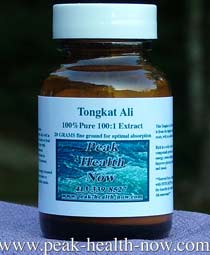
Tongkat Ali 100:1
Extract pure
powder
NEW!
Robuvit® Oak
Wood Extract
powder
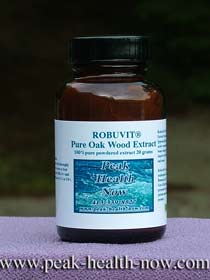
Relieve chronic fatigue, boost energy, enhance sports performance, support cardiovascular and detoxification!
DETOX 3-PACK

Medicardium Magnesium Di-Potassium EDTA Chelation Suppositories
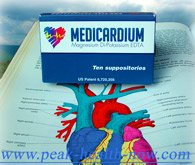
EDTA is a chelator which also supports circulatory capacity and nitric oxide production. For more info,
Vas-cu-Care
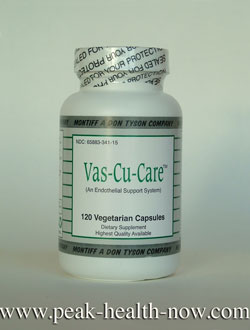
Vas-cu-Care - Montiff's cardiovascular, nitric-oxide formula extraordinaire!
For more info,
Full-Spectrum Amino Acids,
Vitamins,
Minerals
Support Packages!
MONTIFF Amino Acids, Vitamins/Minerals:
The freshest products from a company of rare integrity!
Full-Spectrum Packages
to support health and healing!
Bio-Identical
Transdermal
Creams for
Men and Women