The safest, most effective therapies for optimal health!
by Ellen Landauer
10 Super Foods for Peak Health
10 super foods that do more than just help you live longer!
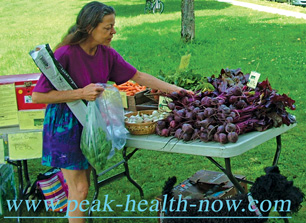
PHOTO ABOVE: At the Ashfield Farmers' Market on a Saturday morning, I select a bunch of beets only a few hours after they were harvested.
You will enjoy a healthier, more delicious diet than you might have believed possible.
A healthy diet is only good for as long as you follow it, right? Eating can be both pleasurable and healthy! The10 super foods in each diet I review are some of the most enjoyable to eat.
10 Super Foods for YOU as an Individual
Dr. Nicholas Gonzalez, famous New York City oncologist and cancer researcher who uses natural methods, says that diet MUST be individualized. He maintains that there are actually over 90 different metabolic types!
The spectrum of individualized diets runs from close to vegan all the way to hardcore Paleo diet.
On some of these pages, you will see me singing the praises of healthy protein and fat super foods of animal origin. By doing so, I seek to balance the bias which still exists against these excellent foods.
However, I cannot say what is best for you. That is your decision. Some foods I speak highly of may be entirely unsuitable for you.
The other thing to remember is that our bodies are always in flux, depending on factors like age, cold or hot weather, stress levels and how much exercise we are doing.
The BEST diet is one which honors our metabolic type and our moment to moment needs. (By the way, Dr. Donald Kelley, the man who developed the Kelly Cancer Program, found that everyone's metabolic type is ALWAYS changing)! That is a good indication that we need to flow with the subtle messages of our body's demands!
As you continue to explore these pages, please remember...
I encourage you to find what is just right for YOU.
10 Super Foods for Every Taste
Every diet plan and nutritional program has its list of 'most favored foods.'
However, you are an individual with your own nutritional needs and personal tastes. You may look high and low to find what is just right for YOU!
You may have been disappointed not to find a list of super foods that you like.
For example:
If you aspire to be a raw food vegan, you won't want to eat some of the 10 super foods on the Paleolithic Hunter-Gatherer Diet list.
How to Choose the Best 10 Super Foods
Here are some vital details on how to choose healthiest superfoods.
You must know that all broccoli, for example, is not equal. Some of it is 'Frankenfood' (genetically engineered with the addition of chromosomes from unrelated species such as fish or pigs)! So I will clue you in on how to obtain the purest, freshest foods.
All too often I observe people hurriedly grabbing a head of lettuce past its prime or carrots whose green tops are wilting. I watch them accept ground beef, steak that has started to turn brown or chicken that looks a little slimy.
What should you look for in the appearance, texture and flavor of fruits, vegetables, herbs, meats and other foods?
Appearance: Greens should have unblemished leaves with no wilting around the very edges. If you see lettuce that has a bit of yellow or brown at the ends of the leaves, or broccoli with some wilted, mushy buds on the flower end of it, put it back - it's not fresh.
Apples, pears and berries: should be full, round and smooth with no wrinkling, bruises or dents.
When you bite into a fresh apple, it should be very crisp and juicy. Blueberries should pop a little when you bite down on them, not feel mushy.
Meats: beef should be deep (not bright) red; chicken and turkey pinkish (not too red and not faded tan). Beef, lamb and other red meats tend to get brighter red when exposed to air. When really fresh, the color is a deep, rich red.
All meat or poultry cuts should be firm in texture.
Raw nuts and seeds: Leave them on the shelf if they are yellowing, cracked or broken. Rather, whole, with few nicks or blemishes.
Cheeses: look for mold or slime under the wrap. It should look clean. With Camembert and 'mold' cheeses, the outer skin should be very white (though there are some hand crafted cheeses that have a darker skin due to the variety of bacteria used in the culture).
NOTE: If you have fungal infections, Camembert, blue cheeses and other such cheeses may aggravate.
Texture: Whether it's lettuce, root vegetables or fruit you are touching, it should have turgor - meaning its plant cells are engorged with water and feel strong against your touch, not mushy or weak.
When you hold up a bunch of cilantro or parsley, the leaves should stand up rather than drooping. Obvious? You wouldn't believe how many times I have seen people miss that while shopping in the produce section.
Root vegetables like carrots or turnips should be hard, not easy to squeeze or bend. The flesh should be smooth, clean, with few blemishes. That tells you they are quite fresh.
Poultry and steak should be firm and vibrant, not mushy.
Flavor: Varies of course with the food, however the more delighted you are, likely the better the food.
A word about sweeteners: IF you tolerate carbohydrates well, the most healthy way to add sweet taste is high quality raw honey. The health benefits of honey include the fact that truly raw honey straight from the hive is unprocessed in any way.
_______________________
**NOTE: I do NOT advise using ANY BRAND of stevia extract - it contains EXCITOTOXINS which DAMAGE BRAIN NEURONS!
It is also highly addictive!
I found out the hard way; I had used stevia extract for all my sweetening needs - LOTS of it!
My husband queried the company about maltodextrin in the product (NOT listed on the label)! The company admitted maltodextrin was in that product! Once I knew stevia extract was not good for me, I found how addictive the excitotoxins in it had been. For at least a month, nothing tasted good without the extract and I fought very strong cravings. My brain and body went through a detox period.
_______________________
Whenever possible, buy local organic produce direct from a grower in your local area. Farmers' Markets are a really fun way to do this!
NOTE: Even non-organic foods from a farmers' market are better than produce from Whole Foods and other health stores.
Why..?
Because organic standards are so compromised, they don't mean that much any more AND I find farmers try to use as little chemicals as they possibly can while still getting their crops to market.
Top 10 Super Foods: Myth and Reality
To keep things in perspective, I would like to offer a couple of examples of super health foods that can have undesirable side effects when used excessively.
We all can be tempted by the 'more is better' notion. With regard to 'superfoods,' this can be taken to an extreme that makes those very same foods detrimental instead of beneficial to our health.
Here are two examples:
Cruciferous vegetables are frequent picks for the most popular 10 super foods. This family includes broccoli, kale, cabbage, cauliflower, collard greens, brussel sprouts and swiss chard. They are called 'cruciferous' because their growth pattern shows a four-point structure like a cross.
Cruciferous vegetables contain beneficial sulfur-containing phytochemicals known as glucosinolates. These compounds are said to have the potential to reduce cancer risk by keeping normal cells from becoming cancerous.
Indole-3-carbinol is another compound that has been investigated and is said to inactivate a metabolite of estrogen that can promote cancer, particularly breast cancer.
Cabbage, kale and other vegetables in this family are good sources of organic sulfur. This element is good for the health of skin and hair, nerves, joints and muscle. Sulfur also helps healing of wounds, and metabolism of carbohydrates.
With all those benefits, you might think that eating a prodigious amount of cruciferous vegetables is just the ticket to awesome health.
However, crucifers also contain substances called 'goitrogens,' which inhibit thyroid function, and nitrites, which can negatively impact liver and kidney health, and are known carcinogens.
A second example that often makes the 10 super foods list is ginger. While excellent for improving circulation and digestion, too much ginger can have negative effects.
Did you know that ginger, cinnamon, peppermint and other herbs are herbal antibiotics (can kill bacteria)? 'That's GOOD, isn't it,' you may ask. When it comes to infectious bacteria, yes you're right.
However, probiotics (beneficial bacteria in the gut) will be killed, too. Excessive consumption of ginger and other aromatic herbs with antibiotic properties can kill probiotics. Ultimately, this leads to indigestion, and growth of harmful life forms such as staphylococcus, candida albicans and fungal infections.
These are just two examples that demonstrate that even super foods should be consumed in healthy moderation.
As we move on to explore 10 super foods in each of the diet categories, I know you will use these principles to achieve a balance that is just right for you.
Top 10 Super Foods: Include Some Foods Rich in Omega-3 Essential Fatty Acids!
Omega-3 Essential Fatty Acids: One of the most important health advancements of our time, Omega-3 is ESSENTIAL for increasing your health.
What foods are rich in Omega-3 Essential Fatty Acids? Grass fed beef, lamb, poultry, dairy and eggs are at the top of the list. Salmon is an excellent source and I would have put it first, except that it is tricky to find salmon that has acceptably low levels of toxic metals, particularly mercury.
Cod Liver Oil: There is only ONE brand of cod liver oil that meets my standards.
Olive Oil: A really outstanding quality olive oil is an excellent source of omega-3's. It tends to be a little weighted toward the omega-6's, but not much. The many other beneficial nutritional elements in olive oil make it a very desirable dietary staple for most of us.
Omega-3 essential fatty acids foods are important to include when looking for the top 10 super foods.
10 Super Foods for Paleolithic Diet
Ellen Landauer is an expert with over 40 years in-depth study and experience of the safe and effective use of nutritional supplements, botanical extracts and detoxification methods.
She is Certified as an Advanced Practitioner of Structural Integration body therapy developed by Dr. Ida P. Rolf - also known as Rolfing. This hands-on therapy is the deepest, most comprehensive body alignment therapy.
Ellen Landauer is also a PUBLISHED AUTHOR!
To learn more about Ellen Landauer, see her detailed bio HERE
The Food and Drug Administration has not evaluated any of the statements on this website. Products offered on this website are not intended to diagnose, treat, cure, or prevent any disease. The information presented on this site is provided for informational purposes only; it is not meant to be a substitute for medical advice or diagnosis provided by your physician or other medical professional. If you have any health problem, please consult with a physician or health care provider before using any natural products. Peak Health Now and/or its product suppliers assume no liability for any injury, illness or adverse affects caused by the misuse and/or use of the information or products presented on this website.
© 2008 - 2022 ™Peak Health Now.com. All rights reserved.
Throughout this website, statements are made pertaining to the properties and/or functions of food and/or nutritional products. These statements have not been evaluated by the FDA and these materials and products are not intended to diagnose, treat, cure or prevent any disease. For all health and medical questions, please consult with your doctor. By viewing this site, you are stating that you agree with this disclaimer.
BRAND NEW!
REAL NAD!
**PHONE ORDERS**

413-339-8527
IMPORTANT NOTE: This line is for orders ONLY! Please determine product selection before calling.
Please use CONTACT FORM for any questions you may have about the products.
We do NOT return international calls.
Please use contact form for faster service.
No solicitations, PLEASE!
FIND YOUR PRODUCTS:
Convenient listings for INFO and PURCHASE.
NOTE: Shipping fee is added for each product you put in cart.
**If too much shipping cost shows up on your order, we ALWAYS give prompt refund so you don't overpay!**
There is a modest $5.00 handling fee.
Shipping/Handling on all suppository products is FREE.
Full-Spectrum Amino Acids,
Vitamins,
Minerals
Support Packages!
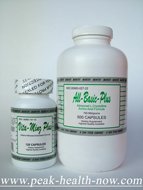
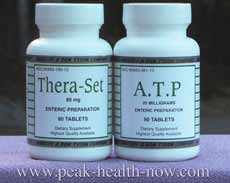
MONTIFF Amino Acids, Vitamins/Minerals:
The freshest products from a company of rare integrity!
Full-Spectrum Packages
to support health and healing!
NEW! Fibrotic
Detox Protocols
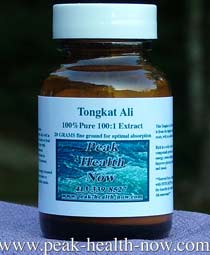
NEW!
Tongkat Ali 100:1
Extract pure
powder
NEW!
Robuvit® Oak
Wood Extract
powder
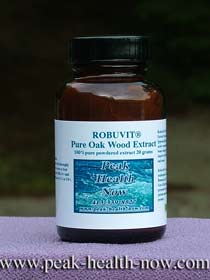
Relieve chronic fatigue, boost energy, enhance sports performance, support cardiovascular and detoxification!
DETOX 3-PACK

Fresh, Totally RAW Fish Oils
direct from Northern Norway
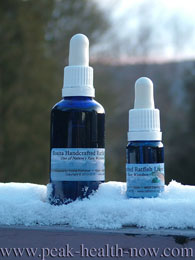
BUY the BEST ultra-fresh, raw Fish Liver
and Cod Liver Oils!
Medicardium Magnesium Di-Potassium EDTA Chelation Suppositories
EDTA is a chelator which also supports circulatory capacity and nitric oxide production. For more info,
Vas-cu-Care
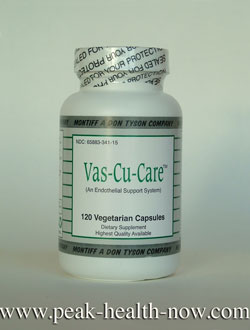
Vas-cu-Care - Montiff's cardiovascular, nitric-oxide formula extraordinaire!
For more info,
Full-Spectrum Amino Acids,
Vitamins,
Minerals
Support Packages!
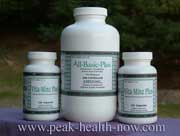
MONTIFF Amino Acids, Vitamins/Minerals:
The freshest products from a company of rare integrity!
Full-Spectrum Packages
to support health and healing!
Bio-Identical
Transdermal
Creams for
Men and Women

Fabulous
Chrysin Cream
for
Men and Women
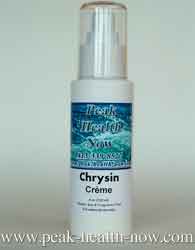
Chrysin Extract (Passiflora Incarnata) in transdermal form.
Supports integrity of Testosterone in the body.